Maurizio Brancaleoni's blog. Reviews, interviews, translations and haiku. Bilingual. Un blog di Maurizio Brancaleoni. Recensioni, interviste, traduzioni e haiku. Bilingue.
First of
all, thank you for agreeing to this interview. How about starting it
off by telling us a bit about yourself and your job?
Thank
you for this opportunity! I was born in Novara (Italy) by accident,
in 1968, my family are from Modena, and when I was 6 we moved to
Verona, where I grew up. I went to University in Milano and after my
chemistry degree I decided I had no interest in making new molecules,
rather I wanted to look at existing ones. This, and a passion for
living cells, made me choose protein science. During my doctorate I
moved to England, where protein structural science was born in the XX
century, and here I have become a structural biologist. Mostly, I
work as a protein chemist and an X-ray crystallographer: we isolate
proteins and make them into crystals (think of these crystals as a
magnifying lenses for the proteins they contain). We then shine
X-rays on the crystals and interpret those X-ray images to obtain 3D
models of the proteins. These 3D models inform on the functions of
the proteins and assists drug design. At the moment we are trying to
understand how UGGT (the enzyme responsible for the quality control
of all proteins secreted by eukaryotic cells) can do its job at all:
imagine a single molecule in charge of checking on hundreds of
differently shaped molecules, and being able to flag them for
retention in the cell if they are incorrectly folded. A molecular
mystery! That, or the current model about UGGT needs improving. My
colleagues and I think we should find a drug to inhibit UGGT in
individuals suffering from certain genetic diseases. We hope to be
able to prove this idea right or wrong.
At what
age did you start writing poetry ? What were your favourite poets
then? How has your poetry evolved over the years?
I
started writing poetry around the age of 14. My favourite poets then
were Catullus, Ariosto, Gianni Rodari, Dino Campana and Eugenio
Montale. All I wrote till the age of 21 has either been lost or
destroyed (although I suppose a copy of some latin hexameters of mine
may survive among the records of the 1986 Certamen catullianum (a
yearly latin writing contest for schoolchildren) in their archives in
Lazise).
The
first surviving manuscript of mine is a book I wrote in 1989-1991,
still unpublished, although the poems are online – together with
the entirety of my unpublished texts to date. Whenever I publish a
book I remove the poems from the web, but the rest is all there:
individual texts online do not give a true sense of the manuscript
they belong to, but they can still be appreciated individually before
they appear in a printed book.
A
second book of poetry, also unpublished, was written during the years
1993-1994: at the time, I was serving as a conscientious objector in
a community hosting a dozen of psychiatric patients in Sesto San
Giovanni, between Monza and Milano. Earlier in 2014 I took some of
those poems out of the drawer and submitted them to a small poetry
competition in Rimini, and I have been awarded the first prize:
http://farapoesia.blogspot.co.uk/2014/07/vincitori-del-concorso-in-sana-mente.html
Since
moving to England, I developed a taste for American poetry (Marianne
Moore, Emily Dickinson, Wallace Stevens), while among italian poets I
came to appreciate Aldo Palazzeschi, Giampiero Bona, Guido Gozzano,
Giorgio Caproni, Bartolo Cattafi, and Toti Scialoja. Perhaps not
surprisingly. Alongside these readings, my poetry has become
increasingly sound- and rhyme-based. Among living italian I
especially love Cristina Annino and Giuseppe Caracausi. From them I
am learning to cut out the inessential and the redundant, and to
trust my own text without worrying too much about the reception on
the part of the reader. My recent texts have benefitted from their
help and example.
How many
languages can you speak? What do you like about each one? How does
language affect your poetry?
I can
speak Italian of course, although these days I sometimes come up with
rather anglicised turns of phrase. I like Italian when it is terse
and concise, because of its simplicity. Its roots stretching back to
Latin carry for me the past into the present. My English can be good
at times: I love this language’s immense lexicon, which allows its
speakers to be very accurate if they choose to be so; and the almost
complete absence of gender in it, which in turn allows vagueness when
needed. My Spanish is basic but I find that it stirs very strong
emotions in me, the way what is familiar and yet exotic at the same
time does. My French sounds horrendous, and yet I admire its subtle
vocalic sounds I cannot reproduce, and its ability to pass for
sophisticated even when it’s rather coarse. I am fortunate enough
to have ready many great books written in one or another of these
languages, and it gives me a great joy to be able to read something
very good in the original. All these languages affect my poetry
because they remind me that a poem can only be justified if it is the
best (if not the only) way of saying what it says. So other languages
I know in the background serve as it were as a selection/control
ground for my texts in italian. Last but not least, I think that
today the future of all languages is in their coevolution and
reciprocal contamination. I am especially excited about what is
happening and will happen to italian in the wake of the more recent
waves of immigration to Italy.
Tell us a
bit about the two poetry books of yours that have been published and
your electronically available poems. What poetry websites do you
regularly publish your poems on? Are you in touch with stimulating
online communities?
“Una
crisi creativa” (Puntoacapo, 2010) is – as the title suggests –
the result of a year of furious writing, which I would liken now to
the bursting of a suppurating wound or an infected spot. It contains
rough, coarse, inflated writing, with the rage and the exhilaration
of middle age in it. Its texts went through none of the painstaking
polishing I used to carry out on my writings before. Perhaps in spite
of this, or perhaps precisely because writing the book was such a
liberating experience, when I finished it, for the first time in my
life I thought I should try and publish it. I had always taken
writing seriously but I never craved readers; with these poems I did,
and I remain very grateful to Mauro Ferrari who gave me the
opportunity to find some. I am still rather inclined to forgive the
book’s weaknesses, although now that I think I may have readers, I
have become much more strict with myself when it comes to working on
a poem.
My
second published book “Vamosaver” (Gattomerlino/Superstripes,
2014) was written during my 2012-2103 stay in the Basaue Country. It
retains the irony and the invective of the first book in places, but
it also relishes shorter, more controlled forms, and it is more
experimental in its attempt to grapple with the language, with
foreign languages darting to the foreground from time to time where
the italian needs them. I am not sure if I can continue writing like
this but I am very pleased with the editing Piera Mattei did on the
book, with the watercolour that my friend and colleague Daniel Badia
Martinez drew for it, and with the many memories that these texts
capture and I hope reverberate around.
For my
online publishing, I have chosen a low-brow, open-to-all website,http://pietroroversi.scrivere.info/.
They maintain my texts in good order and they provide space for my
readers to comment. I can link to those pages when I need it. While
the people in charge of the website hold very different views on
poetry to mine, and we have often clashed, I enjoy the company of
many other people who publish their writing in there, and I have
found as many good writers among that community as in the official
world of italian published poetry. In some sense the website is below
the radar of the professional literary critics, so I am really hiding
my texts in full view, which I enjoy: it helps me focussing on the
writing without taking myself too seriously. I regularly put my texts
on Facebook as Notes, for my friends to read. I have occasionally
published texts in online poetry magazines, poetry blogs or friend’s
webpages.
In your
poems, a scientific, supposedly objective language is used to dissect
humakind and its fallibility. The discourse is steered by witty puns
based on collocations, assonances and semantic affinities (I can't
help but think of the metaphysical poets and their notion of wit.)
Often such a semantic and thematic turn is realized in the
enjambement. Another relevant matter is the bodily dimension and the
meticulous description of acts, in short, concrete imagery realizing
poetical immateriality (a contradiction in terms!)
What do
you start with when writing poems and how long does it take you for
the polishing work?
I am
especially fond of John Donne’s poetry, so I am delighted (if
rather humbled) by the comparison with the metaphysical poets. And I
certainly strive for texts that carry or embody the complexity and
the ambiguity of the world, including human contradictions. In this
context, the language for me becomes the network that keeps things
together. Hence perhaps the interconnecting sounds and the skeleton
of connected words that often traverses the text, as you point out.
References to different parts of the same semantic field and broken
down chains of associations serve the same purpose. In a nutshell,
good poetry for me must contain hidden persuasive devices, and
anything giving cohesion to the text gives it plausibility and helps
manipulating the attention of the reader.
As to
their genesis, the poems are born in a number of ways, but two of the
most frequent ones seem to be: I hear somebody speaking a phrase or
sentence, and then I feel compelled to write it down, stealing it, I
suppose; or when a syllable presents itself repeated in a sentence,
either mine ot somebody else’s, and it triggers more instances of
itself to follow. The poem then unfolds or wraps around these germs.
A single word seldom calls for a poem and indeed I am not a great fan
of single words in isolation. I especially hate verse without verbs
and just nouns stated as if they were magical or evocative or
“poetic”. We do not speak like this in everyday life. I am more
interested in grey, neutral parts of speech, stock phrases, proverbs,
adages, the commonplace, the banal. Perhaps in my middle age so much
of my thinking is either prejudicial or stereotypical, that these
parts of the language suit me best.
As to
the work on a text after its genesis, most poems are finished in half
an hour or so. Others take longer, days perhaps, but I do not work on
them all the time. I leave them, forget them for a little while, then
go back and delete or add and fix until I do not know what to do
anymore or they look the way they should. Deep down, I almost always
know the weaker bits, but it is not always easy to find the courage
to cut them or know how to improve things. Sometimes letting somebody
else edit a text of mine or give me their opinion on it has helped me
immensely, although there are parts that I would never accept to
change, because they are what they should be (typically because of
their sound, the way they scan, or their interrelation to the rest)
and I do not care if somebody else thinks otherwise.
I'd like
to conclude this interview asking you to share two poems of yours
with me and the readers of this blog so that they can have a sample of your work.
Dates
for my diary
During
the Napoleonic wars
Britain
was isolated
from
mainland Europe:
people
became collectors
of
seaweed and root vegetables,
and
this tradition
seems
to have continued
well
beyond the scope
of
that need. Laver bread, sea kale, black
salsify
are just examples of near-inedibles
that
could feed the starved
in a
time of dearth. Back then,
that
kind of knack for tasteless hope could be excused.
But
what a palaver now to insist that it still be of use.
On
another matter, you teach, you would not
spell
"lose" "loose",
but I
wouldn't put past you the belief
that
the Barnacle Goose
was
born from a mussel on the beach, such
is
your virginity in all matters
exact
(microbiology, anatomy or humanist
church-going
are examples), not to mention
any
fact to do with movement in space, or with the sense
of
what makes one handsome and what does not.
Not
that it matters much. Much to my chagrin,
the
Key of Joy may be the sin of disobedience, but
I'll
stick with the dates for my diary,
with
the compere on the show, as I want his
company,
companionship, comradeship
beyond
compare. Like in the old days,
this
is a case of
kelp
for ash, and cash for kelp.
One
helps oneself to what is in one's dish.
One
learns to relish help when one is famished.
The
funny thing is though, all considered:
I am
continental. I can shop. I know better.
From
now on, I vow to reintroduce
some
of the good produce, stop being a schlepper.
[28082009]
Swag,
loot & contraband
Look
at how the shiny orange leaves
tumble
down to the floor,
carrot
cake pieces that cavort
in the
stomach! I ate my slice and more.
If
hunting pink is red,
is a
hunting pavillion
vermillion?
As if I had qualms
about
appropriating the verse in a million
that
fell off the back of a lorry.
I
stole these from you, sorry, Juliet!
And
yet and yet and yet ...
[31102009]
Thank you
again for your time, Pietro, and until next time, goodbye!
sull'odore di bistecca nei vicoli. Le sei. I mozziconi consumati di giorni fumosi. E ora una pioggia ventosa avvolge i lerci resti di foglie secche attorno ai tuoi piedi e di giornali dagli spazi vuoti; le pioggie battono sulle persiane rotte e i comignoli, e all'angolo della strada un solitario cavallo di carrozza fuma e scalpita.
E poi l'accensione delle lampade.
II
La mattina arriva alla coscienza con il lieve odore stantio
di birra dalla strada pesta di
segatura con tutti i suoi piedi
infangati che premono ai bar mattutini. Con le altre mascherate che il tempo resuscita, uno pensa a tutte le mani che proiettano ombre
nerastre in mille camere
ammobiliate.
III
Hai gettato la coperta
dal letto, ti sei sdraiata e hai
aspettato; hai sonnecchiato e
osservato la notte
rivelare
le mille sordide immagini che costituivano la tua
anima; guizzavano contro il
soffitto. E quando il mondo intero
ritornò e la luce s'insinuò tra
le imposte e sentisti i passeri
nelle grondaie, hai avuto una tale
visione della strada che la strada a malapena
capisce; seduta sul bordo del
letto, dove hai srotolato la carta dai capelli
o hai stretto le piante
gialle dei piedi nei palmi delle mani
macchiate.
IV
La sua anima si estendeva
per i cieli che sbiadiscono dietro un
isolato o era calpestata da piedi
insistenti alle quattro e alle
cinque e alle sei; e corte dita quadrate che
riempiono pipe e giornali della sera, e
occhi sicuri di certe certezze; la coscienza di una
strada annerita impaziente di arrogarsi
il mondo.
Sono commosso da fantasie che sono arricciate
intorno a queste immagini
e si aggrappano:
l'idea di una qualche
cosa infinitamente
tenera
infinitamente sofferente.
Strofina la tua mano
sulla bocca e ridi; il mondo ruota come
antiche donne che raccolgono combustibile in spazi
È disponibile all'acquisto on line, per l'editore WildBoar, 'Storie di Confine',
l'antologia di racconti brevi fantasy promossa dall'Associazione
Culturale Terre di Confine, il cui ricavato verrà devoluto all'ONLUS
Medici senza Frontiere. 55 racconti scritti da autori esordienti e
autori già noti ai patiti del Fantasy italiano. L'antologia ospita anche
15 illustrazioni realizzate da illustratori di gran nome e da
esordienti, mentre Diramazioni - Illustration and Design ha regalato la splendida immagine di copertina. Contiene il mio racconto" Fuori dalla società ". apsv
Presto disponibile'Corti - Terza stagione: Il ritorno dei Corti viventi', che contiene il mio racconto'Genesi'.
Ci è voluto tempo. Scoperchiare le tombe non è mai
stato un mestiere facile… Bisogna scegliere i cadaveri migliori,
metterli in ghingheri, insegnare loro a camminare spediti, uno dietro
lʼaltro, con il loro bagaglio di storie da raccontare. Ma ci siamo
riusciti e possiamo dirlo: presto, molto presto, i Corti viventi cammineranno nelle vostre case. apsv
In Corti - Terza stagione: il ritorno dei Corti viventi, grazie alle amorevoli cure di Raffaele Serafini, 63 racconti brevi e 29 agguerriti autori
saranno concentrati in un centinaio di pagine, pronti per entrare nella
tua mente. Riempiranno il tuoi scaffale di piccole malvagità e storie
crudeli e avvincenti.
Ho avuto il piacere di tradurre in italiano Kansai Airport, un racconto fantascientifico e surreale di Patrik Sampler. NLAV
Riporto qui un brano del libro L'aeroporto di Kansai:
" In
tutte le direzioni si estende una monotonia di autostrade
multilivello a diciotto piani, rampe di uscita a spirale e
appartamenti grandi come scatole di scarpe stracolmi all'interno. Il
bucato è appeso fuori nella saturazione dei fumi di scarico: che
senso ha?
Immagino
un prodotto chimico che dissolva le moltitudini terrestri: insieme
alla melma chimicizzata, la maggior parte delle costruzioni umane
scivolerebbe nell'oceano. Ma Osaka è cemento, plastica e acciaio,
talmente distante dalla geologia che rimarrebbe in piedi sul livello
del mare come l'impianto idraulico di una casa di legno incenerita... "
First of all, thank you for agreeing to this interview. Are you recording new songs right now? What's your usual music-making process?
I'm working on songs, or some kind of music almost every day. Aside from what gets occasionally released on CD or records, i am always trying to come up with something here at home (using a very simple proTools set up) that i put on Bandcamp. Or make copies to sell at shows, and give to friends.
My process varies a good deal, but basically, i start by making a chord sequence and than listen to what i have until some words come to mind. Of course, once i have that, i edit and move stuff around. Like today, I had some organ chords i liked but had to change the position of the chorus; i didn't like its length, so i cut it in half and repeated it toward the end of the song.
I'm tagging it art-pop, outsider, and psych-pop lately. It's evolved over the years.
Mostly it's some version of indie singer-songwriter music. Poetry of sorts. Little inventions. Little compositions, but not art song.
Do you still play the tiple?
No. Hand problems make it painful sometimes. I do some recording, but very rarely, strumming or simple flat-picking. The last tiple project i made was "Paper Horses", an album on Bandcamp from 2009.
Tell us a bit about your current band ( http://eaband.tumblr.com/ ). Back to the 60's, what was like playing with Gandalf and the Motorpickle?
My current band is Ed Askew Band. There are no available recordings yet. Except for a lo-fi live performance (also on Bandcamp..free download) it's me singing, Jay Pluck on the piano, and Tyler Evans playing the tiple. "Ed Askew Band @ Zebulon". We do have a new recording, with some additional people, but i don't know when it's coming out or who is releasing it.
I met Jay after i had played ,with Steve Gunn, at the Stone. I was no longer playing with Steve and i needed an accompanist on piano. And Jay said he wanted to do that. Later we met Tyler, who is in the Black Swans. We were touring with them. And when Tyler moved to NY we asked him to play with us.
I did my first public performances at the Exit CoffeeHouse in New Haven. In 1967 (i guess it was) i was the last performer of the night, and it went over rather well, i think, even though i was nervous. Russ, who was running the show that night introduced me to some people and invited me to join his band, which they were putting together. That was Gandalf. We were a straight ahead rock band; two guitars, drum kit, bass, and singer. I was the singer, and we played my songs mostly. I was with them for most of a year before i quit. I didn't play the tiple with the band. We played around New Haven mostly, and never recorded anything.
Later i was part of a trio, also in NH, that lasted for a few months, till the other two guys left NH. And i played music with Russ, off and on, for years, though nothing was ever recorded. Most of my performing, however, was as a solo act. And since the early 1968 i did lots of local shows playing the harpsichord, and the tiple. I also did solo shows at a bar in Mystic Ct, and at some stuff in Boston.
Ask the Unicorn and Little Eyes are unforgotten masterpieces. What do you remember about your experience with ESP-Disk' and Bernard Stollman? What were your influences back then?
After i graduated from art school i moved to New York City for a time. I was playing around the city at coffee houses; i would just show up and play. You could do that a lot then. Someone suggested i play for Bernard Stollman of ESP Disk'. So i got his number and , as requested, i made a tape. And took it down to his office and he listened to it. He offered me a contract on the spot. I made the first record in 1967 or 68. It was released in 68. Except for some local attention (i had moved back to new Haven) the record was a non-event. And soon even my friends forgot about it.
But i kept writing and performing.. so it didn't seem that important. Then i made a second recording (Little Eyes) but it didn't get released until years later.
Back then i liked all the Woodstock people..Hendrix , Joni Mitchel, the Doors..Dylan, all the stuff my friends were listening to; mostly on records. I would occasionally go to a concert. I almost never went to clubs. But you would occasionally go hear a band somewhere.. someone not with a record out. I had also listened to John Cage and Kurt Weill (THREE PENNY OPERA) and Harry Parch. Stuff like psych-folk and outsider music i didn't know about, and never liked when i did hear it. Though my taste has broadened over the years. A bit.
Do you think 'psychedelic folk' was a well-chosen definition of your music?
It seemed ok in the early 70s. Everyone was smoking pot and taking acid. No one ever called it psych-folk back then. It was year later i started hearing that term. My music had a sort of manic quality. Someone said it was acid folk. It really wasn't much of a concern.
What did you like about your job as an art teacher?
Well, i had tons of part time positions in various programs over the years. Mostly working with kids. (And teaching design at a university for a few years, until they closed the school). I always liked working with Children, of course. I like kids art. It's quite beautiful sometimes. I liked to have small classes best. I did a lot of Summer programs also. Summer is hot and always packed with as many kids as they can get in the program. So it's more intense. Less fun in some ways. Especially if your job is also getting teenagers to clean up the camp area.
Your music and art seem to have in common the gift of spontaneity. What were your favorite artists when you studied at Yale Art School? And what are your inspirations now?
I liked the so called abstract-expressionists like DeKooning.. and all the best so-called modernist artists, like Paul Klee and Picasso. I still like picture makers ( abstract or figurative) best. I haven't kept up. and don't go to galleries very often. I go to the Met Museum fairly often. I like Chinese landscape painting a lot. I like some of the German figurative painters i first saw in the 90s.
What are the pros and cons of being an independent musician? Is the Internet an effective tool to self-promote one's work?
Well, i'm in the situation i'm in; i can make any kind of music i want and if it changes, i don't have to worry about upsetting too many fans or critics, or music business people. So one has a great deal of freedom as an artist. But even in my situation i get people who would rather hear only my older music. People who only see me as someone who wrote music in the 60s and 70s. And it's still almost impossible to find a label that is willing to release anything written or recorded in the last 25 years. So i do it myself. And that works ok on the internet. at least people can hear my new songs there. So the internet is good for promotion, but i don't sell all that much. It's like, getting $6. Occasionally. But having a sort of internet profile; reviews, and pictures certainly helps get shows. And i sell some stuff at shows also.
Do you think the environment affects an artist's inventiveness? If so, does New York City influence your work to a certain extent?
Yes. Definitely. Even though i keep to myself mostly. Getting gigs in Brooklyn and playing around New York is very good. And working with other musicians, and doing occasional short tours gets me out of myself in a healthy way that affects my music in a positive way. I also hear kinds of work that i probably would not listen to if i was by myself. So that's good.
How would you describe your life? What are your projects for the future?
My life is sort of day to day.. one foot in front of the other. I don't tend to make future plans because something is always coming up. I mean, if we are considering doing a tour.. we do whatever we have to do (Jay does most of the organizing, with some input from me and Tyler) .. if we are planing that, we do whatever planing we have to do for that. But otherwise i don't make too many plans.
Day to day, i make art and work on new songs, hang out at home, go for walks, watch videos, read.
Dal 13 aprile è disponibile l'antologia "365 racconti sulla fine del mondo" della Delos Books. Trovate il mio racconto "Chi se ne frega della fine del mondo"al 26 gennaio.
"Sarà vero quanto predetto dai Maya e dai peggiori presagi catastrofisti? E come reagiremo, tutti noi, alla fine imminente? Un po' ridendo, un po' scherzando, un po' facendo maledettamente sul serio, 365 scrittori hanno provato a dare la loro interpretazione della fine del mondo, dipingendo ciascuno uno scenario mozzafiato, che dovrebbe farci riflettere tutti.Dopo il successo delle precedenti antologie della serie "365", nasce una nuova sfida all'apparenza irrealizzabile: descrivere tutte le possibili fini del mondo in racconti da 2000 battute ciascuno. Niente spazio per le spiegazioni macchinose, per gli struggimenti inutili e per le emozioni diluite nella ricostruzione di scenari e contesti possibili. Qui i lettori troveranno 365 brevissime e micidiali idee su come potrebbe davvero finire tutto, 365 sferzate che non vi daranno respiro e che vi faranno tremare le gambe. " apsv
A proposito del mio racconto "Come ogni giorno" contenuto nell'antologia "I mondi del fantasy",Bruno Elpisdice:
"Eccolo qui, il fantasy che prediligo. Quello di Maurizio Brancaleoni, straordinariamente inquietante. “Come ogni giorno” è un racconto a riferimento mobile. Maniacale e ossessivo nella descrizione dei riti quotidiani, salvo segnali preoccupanti disseminati qua e là. Voto: dall’8 al 9. Giudizio: e se la nostra società, osservata da una visuale più alta, ripetesse – mutatis mutandis - lo schema da te descritto? Io ti sbatterei fuori dall’antologia del fantasy."
No, non l'ho pagato, giuro. Quipotete leggere la recensione completa. apsv
Ciao AKIM, prima di tutto, grazie per la tua disponibilità. Che ne dici di cominciare parlandoci in tutta libertà della tua ricerca artistica in campo musicale e poetico\letterario?
Grazie per questa opportunità, ho sempre coltivato un forte interesse per la musica classica e il jazz, fin da bambino intorno ai 9-10-anni non perdevo mai l’occasione di ascoltare radio 3 in modulazione di frequenza, e passavo le mie giornate invernali sempre con una radio a valvole accesa, ricordo anche il programma”per voi giovani” su radio rai 1 e alla sera era immancabile ascoltare le radio europee in onde corte, tutte le novità inglesi erano mie, ritornando a radio 3 il radioteatro, la lirica, il jazz, trasmissioni poco commentate anzi seraficamente venivano dati solo i titoli dei brani, e l’intrattenimento non esisteva, programmi di prosa, poesia, teatro, sono stati la mia prima formazione di fruitore di arte, tutti questi suoni, racconti, recitazioni, sono stati fondamentali per accompagnare i primi pennelli su una tela o chine su fogli, poi verso i 12 anni con i primi temi scolastici mi resi conto di essere portato alla scrittura di fantasia, infatti ogni tema era da me iniziato sulle tracce indicate ma dopo poche righe mi perdevo in divagazioni del tutto lisergiche e prolisse, passarono ancora 10 anni e con l’arrivo dei primi pc sentivo che i miei pensieri potevano essere racchiusi in una macchina futuribile, fantastica, una primitiva copia di un cervello, subito venne spontaneo fissare la mia visione delle cose su un pezzo di silicio, e trasportarne il contenuto su un disco e avere una memoria, un archivio, quasi eterno, da quel giorno non ho mai smesso di fissare in queste macchine le mie idee, come un virus, come una malattia contagiosa, per renderle umane fragili,
anche in contrapposizione alla paura iniziale, di un mondo governato dai computer.
Ispirazioni, influenze sia in musica che in poesia?
subito l’ondata tedesca del 1970 con la loro musica elettronica cosmica e le varie declinazioni anglosassoni dunque, Tangerine Dream, Popol Vho,Kaus Shulze,Van Deer Greaf Generato, karl heinz stockhausen ecc
gli inglesi Rolling Stones, Cream, Who, Led Zeppelin, Bowie, Robert Fripp, Brian Eno, Roxy Music, Pink Floyd ecc, e il più grande americano della storia Frank Zappa che ha rivoluzionato tutti i generi musicali esistenti sulla terra li ha mischiati e shakerati per portarci fino hai giorni nostri ricchi di un bagaglio musicale inestimabile, sicuramente i testi di questi artisti attraversati trasversalmente hanno segnato in me una presa di coscienza politica, musicale poetica e umana, aggiungo delle letture essenziali come catalizzatore della mia crescita le opere di Hesse, Poe, Archimede, Jung, e gli immancabili testi teatrali di Petrolini, Totò, e tanto altro che potrei riempire 1000 pagine di Blog ma mi fermo contento, grazie
Come sei arrivato alla poesia? Ti ci sei accostato in maniera spontanea o qualcosa\qualcuno ti ci ha guidato?
è stato un percorso obbligato per completare la mia visione artistica, nessuna guida solo la voglia di sperimentare per suggestionarmi.
Le tue poesie mi appaiono sempre come delle perfette costruzioni di cristallo, limpide, pulite, rifinite, che trasportano il lettore in apparenti altrimondi, deviazioni\distorsioni acide e lucenti del ‘mondo reale’ in cui il senso della verità è inalterato. Oltre le parole, oltre l’immagine fissa e delineata. Come descriveresti la tua poesia a chi non si non è mai addentrato nelle tue visioni reali?
il mio percorso è molto chiaro, far parlare le immagini che appaiono proiettate virtualmente dalla musica, come nella pittura, come in qualsiasi cosa io realizzi, nella poesia, meglio chiamarla racconto dell’anima, lascio che il mio trasporto sonoro si materializzi in parole, attingo da anni di ricerca cinematografica, teatrale, musicale e dalla lettura dei classici della beat-generation, poeti come Gregory Corso, Caproni, ecc, riassumendo sono dei viaggi nel mio io più remoto.
Hai mai pubblicato o pensato di pubblicare una raccolta con una casa editrice o anche in modo autonomo tramite servizi di print-on-demand?
no mai, ma faccio parte anche se non in modo attivo di una casa editrice e prima o poi vorrei trovare il modo di riassumere le mie cose in un volume, sicuramente con immagini musica, in modo multimediale, e portare tutto dal vivo come una rappresentazione teatrale, musicale, video.
Quando e come hai iniziato a comporre musica?
molto presto se considero i primi esperimenti fatti all’età di 10-11 anni con registratori a nastro e semplici strumenti elettronici che ho inventato, molto simili al vecchio moog.
Quali sono di solito le fasi di lavorazione di un pezzo?
sicuramente la fascinazione di un suono, come una sfumatura di colore, ne vedi le tonalità e le differenze, come intingere il pennello in più colori e poi scivolarli su un foglio, si stendono si separano si mischiano pur essendo un unico tratto insomma mi lascio incantare dalla magia della casualità, stendo un suono di base fraziono e aggiungo colore sottraggo sfondo,bilancio pieno e vuoto, creo delle onde di colore sonoro più o meno intensamente, riascolto, tengo o butto, deve essere il giusto per me.
Molti dei tuoi pezzi, come per esempio ‘KATO’ (‘Ground’, 2008) o ‘IMAGE ROUGE’ (‘Triod’, 2008) mi sembrano i corrispettivi sonori perfetti delle tue poesie: oscure cavità sotterranee in cui rilucono piccoli dettagli, luoghi di misteri, celebrazioni segrete, sacrifici. L’altra faccia è invece quella della sperimentazione venata di leitmotif hip-hop, che in qualche modo mi ricorda l’atteggiamento degli artisti americani della Pop Art nei confronti del ‘modello’ (‘TWIN’, ‘Triod’) A volte, questi due atteggiamenti convergono, si mischiano morbidamente, creano tinte pastello (‘DEUS’, ‘FRENCH KISS’, ‘Triod’) In ‘Akim 2010’ la gamma sonora viene ampliata, arricchita, il passaggio fra le due anime è ancora più morbido e naturale. Molto automatico e sparato invece ‘Life’ (2010), concentrato adrenalinico in metamorfosi continua. E ora?
ora, io sono sempre altrove, girano immagini, parole, musica, suoni nella mia testa, a volte diventano insopportabili urgenze, a volte embrioni in evoluzione, mai nessuna fretta forzerà la mia mano, ho cose nuove ma aspetto qualcosa che appunto cresca indipendentemente dentro di me, sicuramente tutto nuovo.
Che ne pensi di Internet in quanto strumento di promozione?
ottimo, ma il confronto o la semplice esposizione lascia il tempo che trova, credo più in un’attività di collaborazione per spazi virtuali sperimentali.
Al momento stai leggendo\ascoltando qualcosa di particolare che ti piacerebbe consigliare a me e ai (sporadici) lettori del blog?
il musicista Alva Noto, e G.F.Malipiero per la musica, e trattati di semantica e biologia.
Il cinema ti interessa? E in che modo? C’è una forte componente visiva nella tua scrittura e nella tua musica. Se dovessi pensare a un corrispettivo filmico delle tue opere, quali film (esistenti o ancora immaginari\irrealizzati) ti verrebbero in mente? (Parlando di immagine e suono, ho appena trovato per caso il tuo canale YT http://www.youtube.com/user/crewpixel che risponde in maniera fisicamente evidente alla domanda e che quindi sono felice di condividere)
i film di CRONENBERG, POESIA PURA.
Parlaci del tuo progetto ‘CREWBIT’. In cosa consiste? Come si svilupperà?
è stato un progetto durato qualche mese e aveva l’intento di creare un portale libero per la pubblicazione di musica elettronica fatta in casa con “pochi”mezzi, avevo coinvolto diverse persone, ma non è stato possibile portalo a compimento, si erano creati video e interazioni con il mondo del teatro e come al solito molte altre cose, ma poi come dicevo non sono riuscito. ma credo di sviluppare altre idee simile per altri progetti, si vedrà
" Collected here are works by artists who are forgotten, under appreciated, or little known, as well as news, reviews and ephemera from the corners of art history. Works of startling quality can be found beyond the big names in the visual arts, whether it is just one exceptional work, an area of an artists oeuvre, or an entire career worth re-examining. " http://www.artinconnu.com/
treasure island l'isola del tesoro stevenson estratto traduzione italiano dialoghi pirati narrativa pirati dialoghi pirateschi isola del tesoro maurizio brancaleoni traduttore long john silver l'isola del tesoro
Come ho avuto modo di scrivere nel forum di Limana Umanita a proposito del
nuovo concorso a tema piratesco: "Per me la 'pirateria classica'
rimane quella più affascinante. Impossibile non rimanere catturati dai dialoghi
dei pirati ne "L'isola del tesoro", specialmente in originale – la
traduzione, per quanto ottima, non riesce a dare lo stesso senso di
immediatezza sgrammaticata e a trasporre con fedeltà tutti i modi di dire
marinareschi".
Ho quindi deciso di postare un estratto particolarmente significativo del
libro succitato. La traduzione è mia.
*Tutti i diritti sono
riservati. La riproduzione totale o parziale della seguente traduzione è
assolutamente vietata.*
***
"NO, not I," said Silver. "Flint was cap'n; I was
quartermaster, along of my timber leg. The same broadside I lost my leg, old
Pew lost his deadlights. It was a master surgeon, him that ampytated me--out of
college and all--Latin by the bucket, and what not; but he was hanged like a
dog, and sun-dried like the rest, at Corso Castle. That was Roberts' men, that
was, and comed of changing names to their ships--ROYAL FORTUNE and so on. Now,
what a ship was christened, so let her stay, I says. So it was with the
CASSANDRA, as brought us all safe home from Malabar, after England took the
viceroy of the Indies; so it was with the old WALRUS, Flint's old ship, as I've
seen amuck with the red blood and fit to sink with gold."
"Ah!" cried another voice, that of the youngest hand on board,
andevidently full of admiration.
"He was the flower of the flock, was Flint!"
"Davis was a man too, by all accounts," said Silver. "I never
sailed along of him; first with England, then with Flint, that's my story;and
now here on my own account, in a manner of speaking. I laid by ninehundred
safe, from England, and two thousand after Flint. That ain't bad for a man
before the mast--all safe in bank. 'Tain't earning now, it's saving does it,
you may lay to that. Where's all England's men now? I dunno. Where's Flint's?
Why, most on 'em aboard here, and glad to get the duff--been begging before
that, some on 'em. Old Pew, as had losthis sight, and might have thought shame,
spends twelve hundred pound ina year, like a lord in Parliament. Where is he
now? Well, he's dead nowand under hatches; but for two year before that, shiver
my timbers,the man was starving! He begged, and he stole, and he cut throats,
and starved at that, by the powers!"
"Well, it ain't much use, after all," said the young seaman.
"Tain't much use for fools, you may lay to it--that, nor
nothing,"cried Silver. [...] "I puts it all away, some here, some
there, and none too much anywheres, by reason of suspicion. [...]
But my old missis has it all by now. And the Spy-glass is sold, lease and
goodwilland rigging; and the old girl's off to meet me. I would tell you
where,for I trust you, but it'd make jealousy among the mates."
"And can you trust your missis?" asked the other.
"Gentlemen of fortune," returned the cook, "usually trusts
little among themselves, and right they are, you may lay to it. But I have a
way with me, I have. When a mate brings a slip on his cable--one as knows me, I
mean--it won't be in the same world with old John. There was some that was
feared of Pew, and some that was feared of Flint; but Flint his ownself was
feared of me. Feared he was, and proud. They was the roughest crew afloat, was
Flint's; the devil himself would have been feared to go to sea with them. Well
now, I tell you, I'm not a boasting man, and you seen yourself how easy I keep
company, but when I was quartermaster,LAMBS wasn't the word for Flint's old
buccaneers. Ah, you may be sure of yourself in old John's ship."
***
"No, non io," disse Silver. "Flint era il capitano; io ero
quartiermastro, per via della mia gamba di legno. Nella stessa bordata in cui
persi la mia gamba, il vecchio Pew perse i suoi oblò. Era un dottor chirugo
quello che mi amputò – uscito dall’università e tutto – latino a secchiate e
quello che non sapeva; ma fu impiccato come un cane e seccò al sole come gli
altri, a Corso Castle. Gli uomini di Robert, dico, e questo derivò dal cambiare
nome alle loro navi – Royal Fortune e così via.
Una volta che una nave è battezzata, lasciatela stare, dico io. Così fu con la
Cassandra quando ci riportò sani e salvi a casa da Malabar, dopo che England
prese il vicerè delle Indie; così fu con la vecchia Walrus, la vecchia nave di
Flint, che l’ho vista sozzata di sangue e carica d’oro da affondare.”
"Ah!" gridò un’altra voce, quella del più giovane a bordo,
evidentemente pieno d’ammirazione."Era il fior fiore della ciurma
Flint!"
"Pure Davis era un uomo, a detta di tutti," disse Silver. "Non
ho mai navigato con lui; prima con England, poi con Flint, questa è la mia
storia; e ora qui per mio conto, per modo di dire. Ho messo da parte novecento
sterline da England e duemila dopo Flint. Niente male per un marinaio semplice
– tutti al sicuro in banca. Il guadagno non conta ma il risparmio sì, puoi
starne certo. Dove sono gli uomini di England ora? Nonsò. E quelli di Flint?
Sicuro, la maggior parte è qui a bordo e felice di beccare il pane –
mendicavano prima, alcuni di loro. Il vecchio Pew, siccome aveva perso la vista
e può aver pensato che fosse una vergogna, spende milleduecento sterline in un
anno, come un lord del Parlamento. E ora dov’è? Ebbene, è morto ora, è andato
sotto coperta; ma nei due anni prima, tuoni e fulmini, l’uomo moriva di fame!
Mendicava, rubava, tagliava gole e nonostante tutto, moriva di fame, corpo di
mille balene !"
"Ebbene, non serve a molto, dopotutto," disse il giovane
marinaio.
"N'serve a molto per gli stupidi, puoi starne certo, questo è il
discorso,” gridò Silver [...] "Io li metto tutti da parte, un po’ qui, un
po’ lì, e mai troppi in un unico posto, per non destare sospetti.[...]
Ma ormai ce li ha tutti la mia vecchia signora. E la Spy-Glass l’ho venduta,
con tanto di contratto e sartiame; mi sono accordato con la vecchia per
incontrarci. Ti direi dove perchè mi fido di te, ma gli altri sarebbero
gelosi."
"E ti puoi fidare della tua signora?"chiese l’altro.
"I gentiluomini di fortuna," ribattè il cuoco "di solito non si
fidano per niente tra di loro e fanno bene, puoi starne certo. Ma io ho un modo
tutto mio, io. Quando un compagno porta uno scivolone sul suo cavo – uno che mi
conosce, dico – non vuole stare nello stesso mondo con John. C’era chi aveva
paura di Pew, e altri che avevano paura di Flint; ma Flint stesso aveva paura
di me. Paura aveva, ed era un tipo orgoglioso. Era la ciurma più rozza che
galleggiasse, quella di Flint; il diavolo in persona avrebbe avuto paura a
mettersi in mare con loro. Ebbene, lo sapete, non sono uno che si vanta e tu
stesso hai visto quanto mi è facile tenere compagnia, ma quando ero
quartiermastro, ‘agnelli’ non era la parola giusta per i bucanieri di Flint.
Ah, puoi stare tranquillo sulla nave del vecchio John."
***
Hai un testo da tradurre
dall’inglese? Sono un traduttore laureato con un C2 certificato e più di 7 anni
di esperienza. Mandami pure il testo in un file Word a
mbmbrancaleoniCHIOCCIOLAgmailPUNTOcom per un preventivo senza impegno. Per
ulteriori informazioni: https://leisurespotblog.blogspot.com/p/blog-page.html
As Les Dupobswere mentioned in the previous post, I have decided to post an old interview I did with them in 2009.
From ReverbNation: "Dupobs is a satirical noise duo based in Vancouver, Canada. Originally formed in 1988, dupobs’ sound is somewhat reminiscent of early DAF, or Violent Onsen Geisha. The group takes elements from noise and industrial music, and have labeled themselves “regressive”. According to their Manifesto, “Regressive music is the act of vomiting the world back onto itself”. One of the group’s members, Jean H., is also a member of A Spectre Is Haunting Europe, a death/gothic-rock group. The other member, Patrik Sampler, also records as Splattertron."
And now, the interview. Certain aspects of the regressive movement remind me of DADA and surrealism. Were you partly inspired by those art movements when you wrote the regressive manifesto?
Patrik: That's right. We were inspired by DADA and surrealism, and, more specifically, absurdism. The manifesto, incidentally, came after the music. Speaking for myself, I wanted to know why I wanted to make music like that, and intuitively I felt there was some purpose to it -- not simply to make the worst crap imaginable. Jean put me on to Eugene Ionesco. I wanted to know more about what it means to be absurd, read Camus' Myth of Sysyphus...
Jean: Yes.
I, for my part, am strongly convinced that regressive music is the music before the last global decadence because it just shows how old this world is by now and how all the past and present music is inadequate when it comes to the search of the current truth. Do you agree with that?
Patrik: I would agree with that. Objectively, we live in a very decadent time -- especially in a material sense. This may sound trite, but the destructive capacity of our species is greater than ever before. We may be, in fact, on the verge of "the last global decadence". Most popular culture, as far as I can see, celebrates a society based on crap. I can't say I'm not sucked in by it to a certain extent, but I try to live truthfully. The problem is that people seem to be unwilling, or too afraid, to take action. This gets exaggerated in Canada. Things happen here that would cause riots in normal countries, so I feel especially oppressed by the environment. Getting back to your question, I do believe that mainstream music is inherently inadequate as a reflection of the truth because it accepts and reinforces fake sentimentality ... dupobs is just throwing it all back in mangled form. Because what's behind it is already mangled, and we're just showing it for what it is. This might sound nihilistic to most people, but we're rejecting only what is truly worth rejecting. Really I think we're doing everyone a huge favour. I mean, we want to educate people. And we want to reach out to people who see the world more truthfully.
Jean: Agree.
As one can read in your blog, “the language of DUPOBS is free of constraints: a signified is rarely referred to by the same signifier twice. This allows speakers to more accurately express the inner sound” I really like this. If everyone would adopt this method, we wouldn’t probably understand one another. However, a personal instinctive language seems priceless to me. How would you personally say ‘unfortunately my cat is dead but I bought another just yesterday, now I’ll have a beer’?
Patrik: Personally, I would say it, "Heuxgleughdokalskdeurfjongleuuu!" Most of what I say in regressive-talk is quite excited. The 'inner sound' is taken from Kandinsky, from On the Spiritual in Art. The point is about aesthetic liberation, and it's a joke, too. There's a lot of nonsense out there even with 'real' words. Talk about a war for peace. At one point we considered giving a regressive vocalization workshop...
Jean: I wouldn't say that at all. I'm not sure that it's a justifiable expense of breath; the amount of things I can say is finite.
When I listen to your music, I realize it’s even more ‘outsider’ than what is ordinarily considered ‘outsider music’ because what you do must be mostly random and not even inspired by any real musical logic. Do you think regressive music is the real way to express oneself since you’re not limited by any musical rules and the demand to write sensical lyrics?
Patrik: Well, that's how we like to express ourselves. It seems that 'outsider' music is a genre with its own rules -- so I don't really think 'outsider' is a helpful label. dupobs could fit within the realm of outsider music, improvised music... but a lot of these terms -- and the people behind them -- don't really mean what they say. We once approached an improvised music festival -- because we make improvised music -- but they didn't want us. What they wanted was a certain kind of improvised music, which doesn't seem very improvised to me. To be fair, we have a certain idea of what regressive music is. But I'd like to invite others to make their own regressive music, to expand the genre. Maybe one day there will be a regressive festival.
Jean: No, regressive music is just as convention-bound as any other formulaic music. For example, there are verses and choruses that must proceed in a certain order, must be announced, and both forms have distinct characteristics according to the rules of regressive music - see the manifesto.
Do you want to recommend us some regressive bands from all over the world?
Patrik: A lot of those bands can be found through "connections" at the Regressive group page at Last FM <http://www.last.fm/group/Regressive/connections >. It's really too bad that Last FM has started charging for access. We're probably going to start promoting ourselves elsewhere. On the regressive group page, we've been collecting anything we come across that has something in common with regressive music. There's a lot of crossover with noise and industrial, but not only. In terms of combining sloppiness and satire, I think Violent Onsen Geisha (from Japan) is quite typically regressive. He's one of the 'classics'.
Jean: There are very few that fit the bill, and understandably so, since Dupobs invented the form. We're (meaning the fans of Regressive) trying to put together a list. See http://www.last.fm/group/Regressive/connections#artists, and related discussions for that group.
A friend of mine would like to ask you if you ever listened to Demetrio Stratos’s ‘criptomelodie infantili’ (http://www.last.fm/music/Demetrio+Stratos/+videos/+1-6kxIWWW1_GQ) which is an effort to reproduce the subconscious musicality of children. He thinks there are some similarities between that and your music.
Patrik: Thanks for passing that on. I do think Stratos was getting at the same thing. It's humbling to know that someone was making this kind of music long before us. Subconscious musicality is certainly a part of what we do, and then we bring in elements of satire and social commentary...
Jean: No. I’ll check it out.
This is the last questions. So, "crappification" is equal to catharsis. Did you guys feel it was necessary to make regressive music to set free?
Patrik: For me, personally, crappification is a kind of catharsis. Musical regression helps me feel more free. As long as it doesn't hurt anyone else, I'd like everyone to feel free to express themselves however they want... wear 'regressive' fashion or no fashion, run around screaming, curl up and roll on the pavement, make choking and grunting noises, walk with contorted movements like butoh dancers... whatever. We're far too constrained by rules. Regressive music is all about subverting or ignoring rules.
Jean: No. There are far better ways (than music) of liberating people from the things that imprison them - pamphlets, boycotts, protests, labour action, revolution, etc. We're simply confronting a prevailing symbolic code and inventing/promoting our own in its place. I actually disagree with the cathartic theory regarding Regressive music. To me, Regressive music will succeed best if it becomes a form of music people use to decorate their aural environment - I look forward to a world in which regressive music occupies the same space now occupied by albums such as Eno's Music for Airports, music designed to enhance inhabited spaces. & it's not that I necessarily want to hear Dupobs played in airports with the intent of calming down air passengers. I would simply be interested in observing a world in which something like that is conceivable, and perhaps even discussed on television.
So that was the interview. Now go listen to Dupobs, you owe it to yourself. You won't regret it or maybe you will but it's simply something you can't ignore.
E' disponibile dal 20 giugno l'antologia di racconti fantastici 'I mondi del Fantasy' di Limana Umanita Edizioni, di cui potete ammirare la copertina qui affianco. apsv
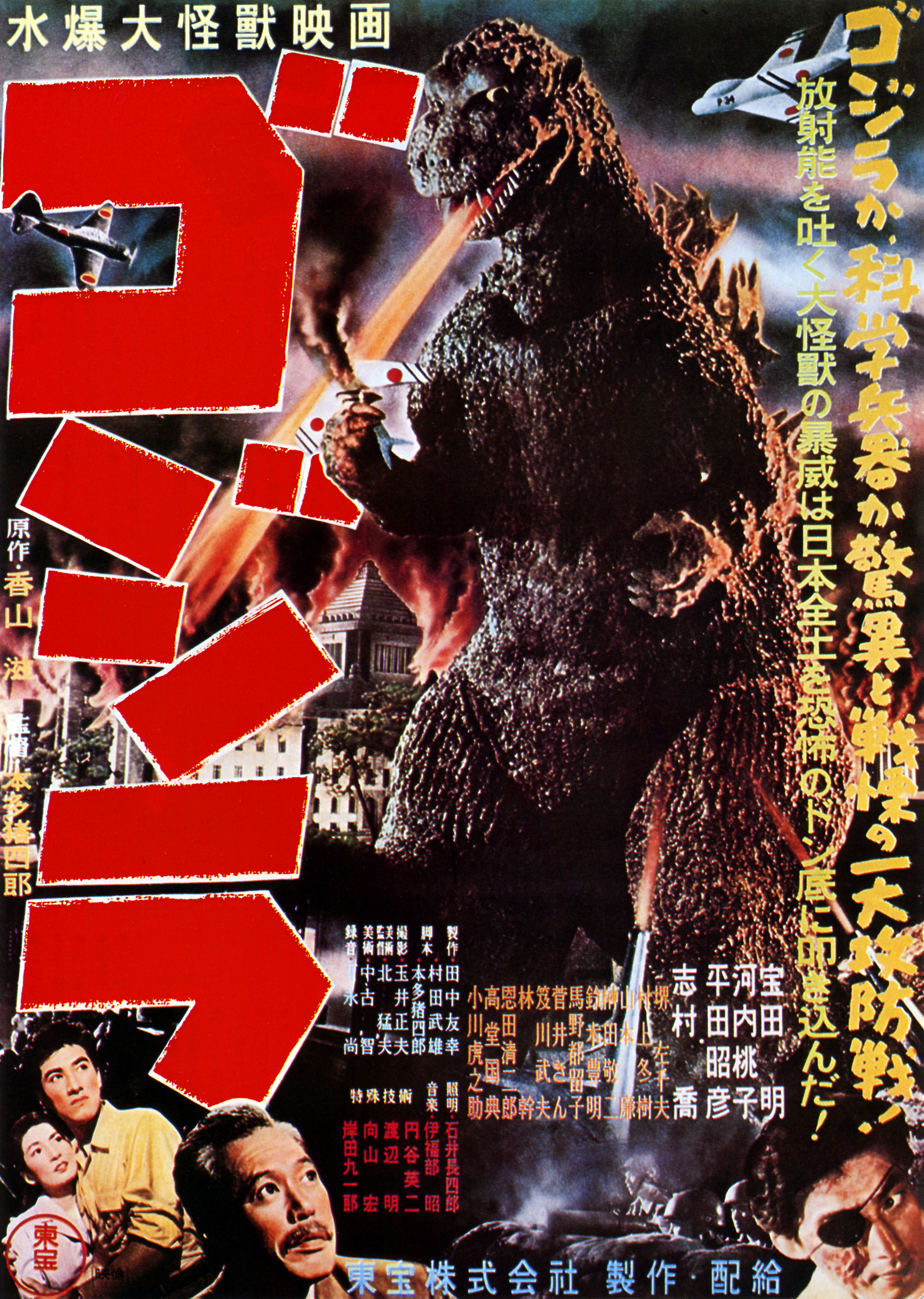
Nel volume è incluso il mio racconto 'Come ogni giorno' in cui, tanto per farvi un'idea, vengono citati in maniera apparentemente arbitrariaGodzilla, Sun Rae iDupobs.
Vi riporto la descrizione del libro sul sito di Limana Umanita:
" formato A5, 196pp. b/n- copertina a colori
brossurato
Questa è una raccolta di fantasmagorie, nuove atmosfere e inesplorati mondi fantastici. Venticinque autori la compongono, con le loro opere selezionate attraverso il premio letterario "I mondi del Fantasy" che attraversano e contaminano tutte le declinazioni del genere fantastico, autori emergenti che scrivono nuove pagine del fantasy italiano di qualità e che osano andare oltre gli schemi.
Compongono questa antologia (in ordine di apparizione):
Federica Priola, Luca Romanello, Andrea Valeri, Salvatore Vita, Ilaria Tuti, Marco Migliori, Riccardo Vezza, Maurizio Brancaleoni, Juri Villani, Dino Antonio Tappatà, Stefania Siano, Anthony Strange, Marina Lo Castro, Fabrizio Alessandro Cadili, Domenico De Stefano, Lorenzo Marone, Magdalena Orion, James Carroll Wish, Francesca Angelinelli, Paolo Capponi, Marco Lovisolo, Ferruccio Masci, Fabrizio Mancini, Gino Pesca, Gloria Scaioli. "
"Centottanta racconti di fantascienza istantanea.
Chi non ricorda i racconti brevi, fulminanti, di Fredric Brown? Piccoli gioielli forse inarrivabili, che toccavano le mille sfaccettature del fantastico e della fantascienza, facendoci divertire e appassionare. Questo Il Magazzino dei Mondi vuole essere un tributo al grande maestro della narrativa breve di fantascienza, e lo fa attraverso 181 racconti scritti da 181 autori diversi, un'impresa condotta a lieto fine sul forum online della Writers Magazine Italia, dove gli autori si sono confrontati con la redazione in una kermesse letteraria di altissimo profilo, che ha dato vita a questa stimolante raccolta. La fantascienza italiana è ancora viva e piena di giovani autori capaci di scriverla, come dimostra Il Magazzino dei Mondi. Ora sta a voi leggere e divertirvi!" apsv
Il 15 maggio esce '365 Racconti Horror per un anno' della Delos Books, raccolta a tema che include il mio racconto 'La compassione di un satanista'. L'antologia verrà presentata al Salone Internazionale del Libro di Torino ed è possibile preacquistarla fin da ora sul sito della Delos Books. Vi riporto la scheda del libro:
"365 autori. 365 racconti. 365 declinazioni dell'horror. La seconda antologia di Delos Books che fa seguito al clamoroso successo della "365 racconti erotici per un anno", e che propone al pubblico un numero sorprendente di brevissimi racconti del terrore, tutti da non perdere!
Dopo il successo dell'antologia "365 racconti erotici per un anno", un'altra impresa quasi impossibile messa in campo da Delos Books: una raccolta di 365 racconti horror selezionati fra migliaia che hanno partecipato alle selezioni sul forum della Writers Magazine Italia. Nell'antologia, oltre a decine di autori al loro esordio letterario, anche un gruppo di scrittori professionisti di primissimo piano, che hanno dato il loro contributo a quest'altra pietra miliare della letteratura breve del nostro Paese." apsv
The album starts off with Roxy Game: a whimsical riff, like the modern version of a trumpet announcing a knight entering the castle precedes a whip-like beat.
The gloomy atmosphere which follows soon after makes me think of a disco filled with unearthly creatures dancing along like crazy. No, like hell.
It’s such fun, a rarefied voice repeats in the distance.. (pardon me if I misunderstand, after all English is not my first language) But yeah, I’m sure it must be a helluva fun. All those women dressed up like Dark Queens of the night whipping businessmen in tie and jacket. “Been a bad bad boy, huh?” “Shut up!” CRACK! SNAP! “Ouch!”
Perhaps Beelzebub and a handful of his team are going to join the party later on, you never know how this kind of things end up.
But here comes ‘Penis’.
All she want is my penis…penis..penis..penis…
Hey, isn’t this stuff by one of those two guys who made music as Dupobs? This is nothing like noncommercial music. Nay, ‘tmust be like, the new hit that every music producer and major label big boss are looking for! Gotta dance along to this…Raise the volume and let's get on the dancefloor buddy!
And again, that gloomy obscure atmosphere…wow! This track is gonna galvanize the mob amok. (I can’t believe that timid DJ objected to the title, a penis is what a penis is in substance)
‘Snfc’ follows.
Undoubtedly this is a basement where a haunting presence is hidden, waiting to leap upon somebody or frighten someone away. A voice speaks in Japanese through the speakers – must be Japanese, I caught a ‘mashite’ (well, it may also be an airport haunted with ancient demons)
Terrifying whispers, demonic breaths and bizarre sounds from another world welcome us into a place that would be best kept closed to the public.
You’d better get out of here as soon as you can, mate, terrible things are going to happen... we also hear the abrupt noise of a a dusty goods lift that's back in service all of a sudden, plain evidence that there’re spectres in the building...
And ‘Dream song’ is on. Bass semibreves (whatever type of bass it may be) beat the time while perfect quarter notes are played automatically in the background.
The way the voice is recorded (or altered) gives a dream-like quality to the track. The title seems to be quite suitable. My love is the best love in the world...it knows no barriers...my dog is the best dog in the town...it's called a terrier...my lover's an expert in the world of polyamory... her sense is the sentence in the realm...
And last but not least, ‘Penis’ again, the extended version this time.
Whip!boom whip!boom whip!boom…
Try to talk to her sometime ...try to take her to the line ...all she wants is my penis, penis, penis...
Rating: 4 and a half stars out of 5
These are the album notes on CDBaby: “the greatest gift is love" is the first EP, following on a number of online singles, by splattertron (aka Patrik Sampler, also of the satirical noise group dupobs). The EP is based around two versions of the instantly catchy, throw-away dance track, "penis", on which Sampler, sounding like Talking Heads' David Byrne, complains of a lover's obsession ("All she wants is my penis, penis, penis."). Tracks 1 and 3 -- "roxy music" and "sncf" -- have a dark, industrial '80s sound, reminiscent, perhaps, of Cabaret Voltaire, Coil, or Einsturzende.
***
If you like “Leisure Spot” and its free contents, make a small
donation via PayPal or Ko-fi to support the blog.
Taro Shinkai is an experimental video artist from Japan, at least active since 2001.
When I first stumbled upon his videos on Vimeo, I just couldn't help but fall in love with his work. His 'ordinary life' subjects matched with an estranged ambiance make his videos absolutely unique and unpredictable. What's more, the minimalist drawing and the soft hues make the characters of these minimovies look like futile paper-tissue-like fragments appearing and vanishing like fog.
Unfortunately, my attempts to describe his vids seem to rationalize them and make them lose part of their charm, so you really need to watch and judge for yourself.